Category: Friday’s Factoid

Friday’s Factoid 20 (by Titus and Joel)

The winds on Saturn blow over 1000 miles an hour. That is faster than the speed of sound. Saturn’s winds are so strong because it is spinning so fast. It rotates faster than any other planet except Jupiter and takes only about 10 hours to make a day. But it takes 30 Earth-years for Saturn to orbit the sun (Titus, 9).
Unknown-1
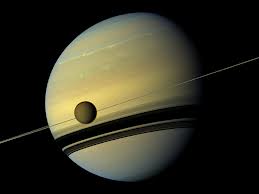
Saturn has over 30 moons. Some of the moons are in Saturn’s rings and they are called the shepherd moons because they help keep the rings in the right place. Saturn has thousands of rings and they are made of ice and rocks and dust and are not very thick (Joel, 7 1/2).

Teacher’s Two-Cents (by Mom)

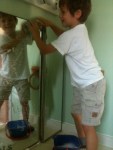
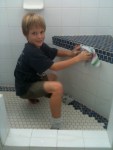
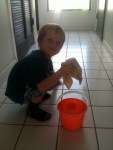
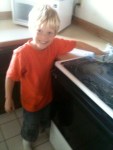
The boys had so much fun experimenting with the “soap that floats” during our study of the gaseous planets that I decided to throw another sudsy experiment their way. This time we put liquid dish soap in the blender with about 10 parts water and gave it a lengthy whirl. The result was a thick, foamy slime just perfect for smearing around. I made enough batches to fill a sand pail full for each of the boys and cut them loose with rags in the kitchen, bathrooms and tile hall ways. To make it easier, I cleared all our counters first and had the boys put socks on their feet for extra skating traction. After about 45 minutes of slippin’, slidin’ and scrubbin’ I gave them all dry towels to go over the surfaces again with. Spring cleaning and science fun in one! The boys had a blast and our kitchen and bathrooms have never been sparklier.
Friday’s Factoid 19 (by Titus and Joel and Nate!)

IMG_6486
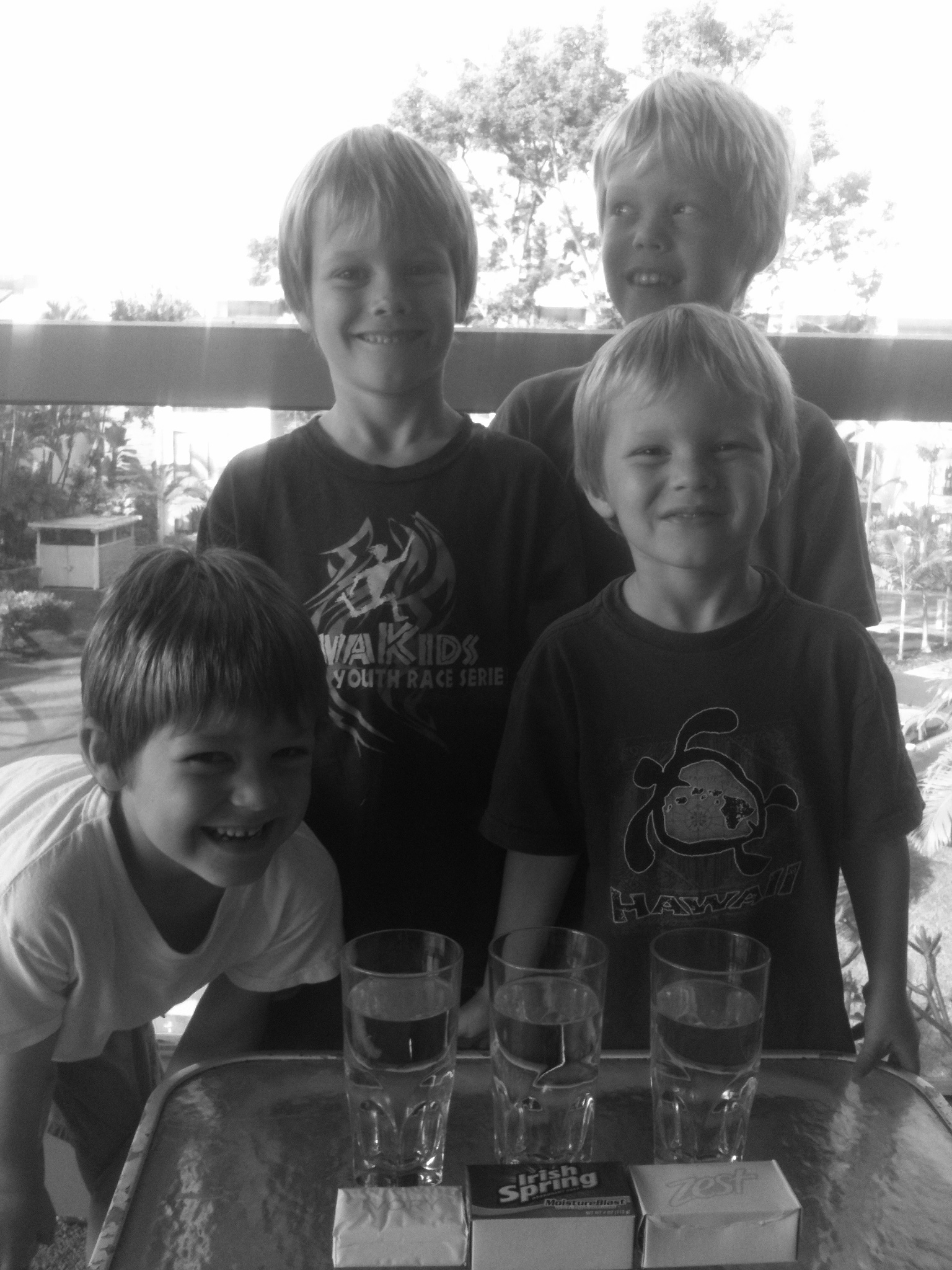
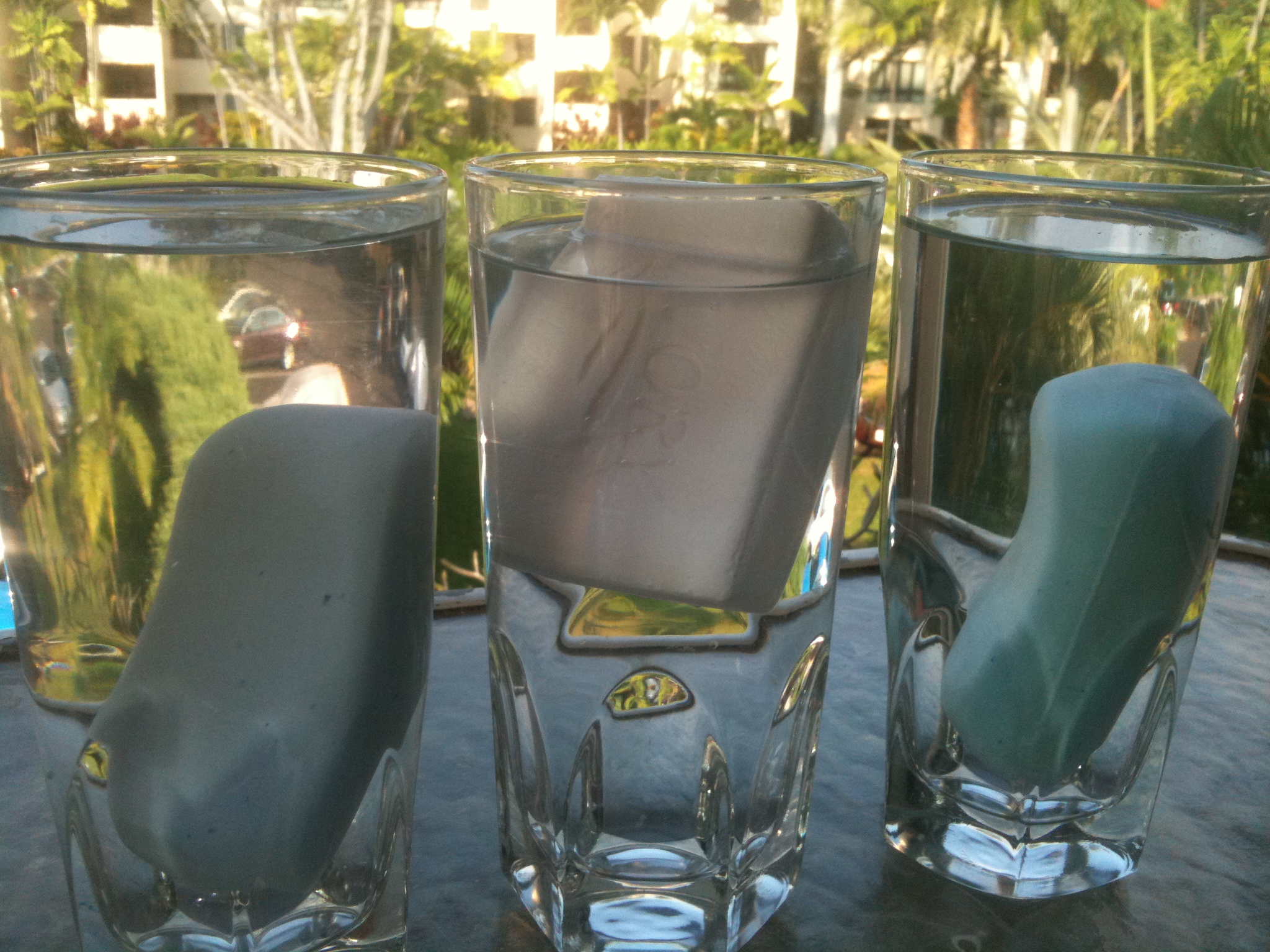
Saturn is the “Ivory Soap Planet” because if you put it in water it would float. We did a science experiment with different kinds of soap to see which ones would float in water. Only Ivory did because it has gas bubbles inside. Saturn is a gaseous planet and is less dense than water so it would float, too (Joel, 7 1/2).
IMG_6488
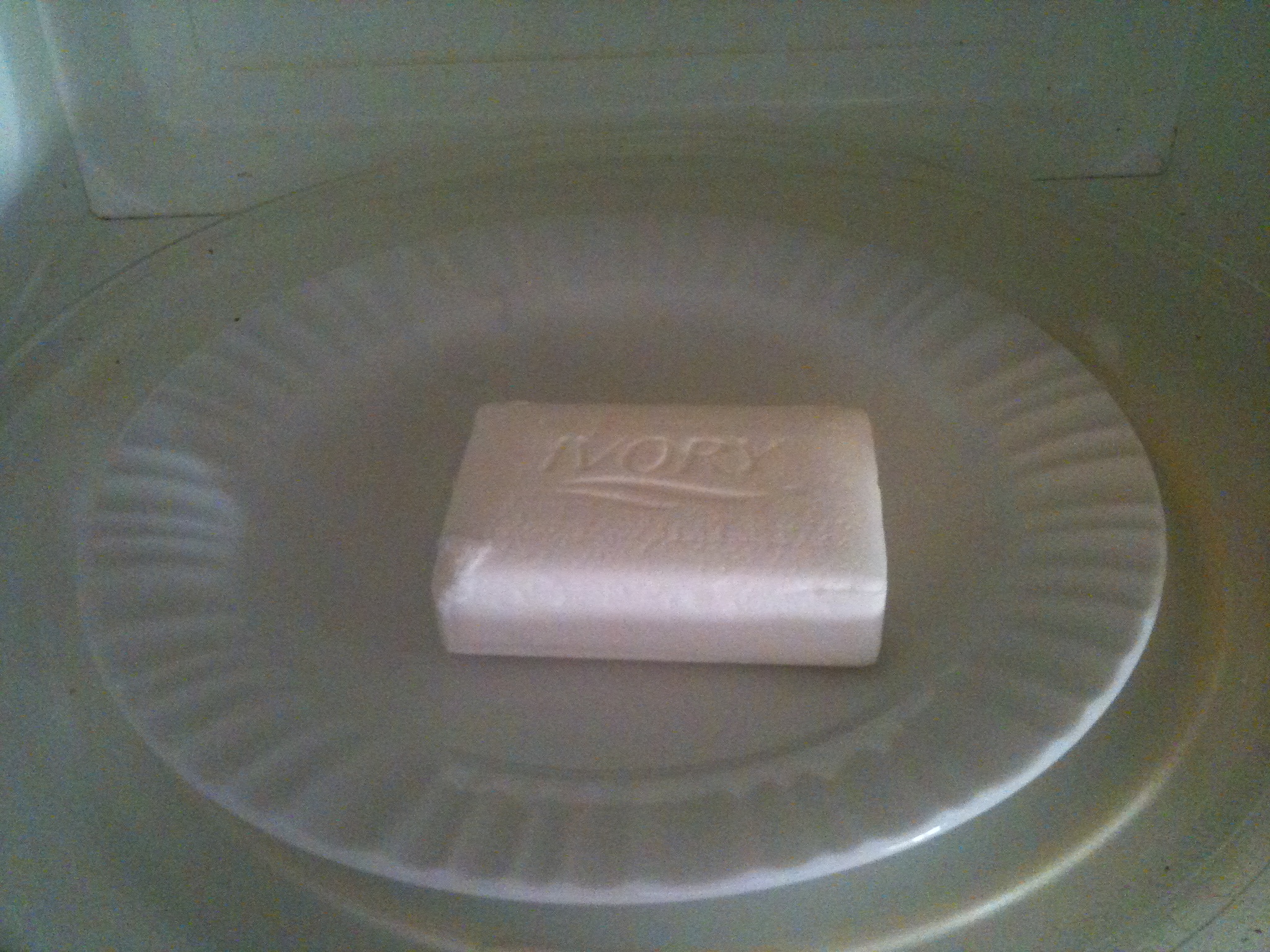
We put another bar of Ivory soap in the microwave to see what would happen. We all made a hypothesis. I thought it might disappear, Joel said it would explode, Nate said it would melt, and Sam said it would get bubbles. Then I remembered that air expands if it gets hot so I changed my guess. Mom said that was okay (Titus, 9).
IMG_6489
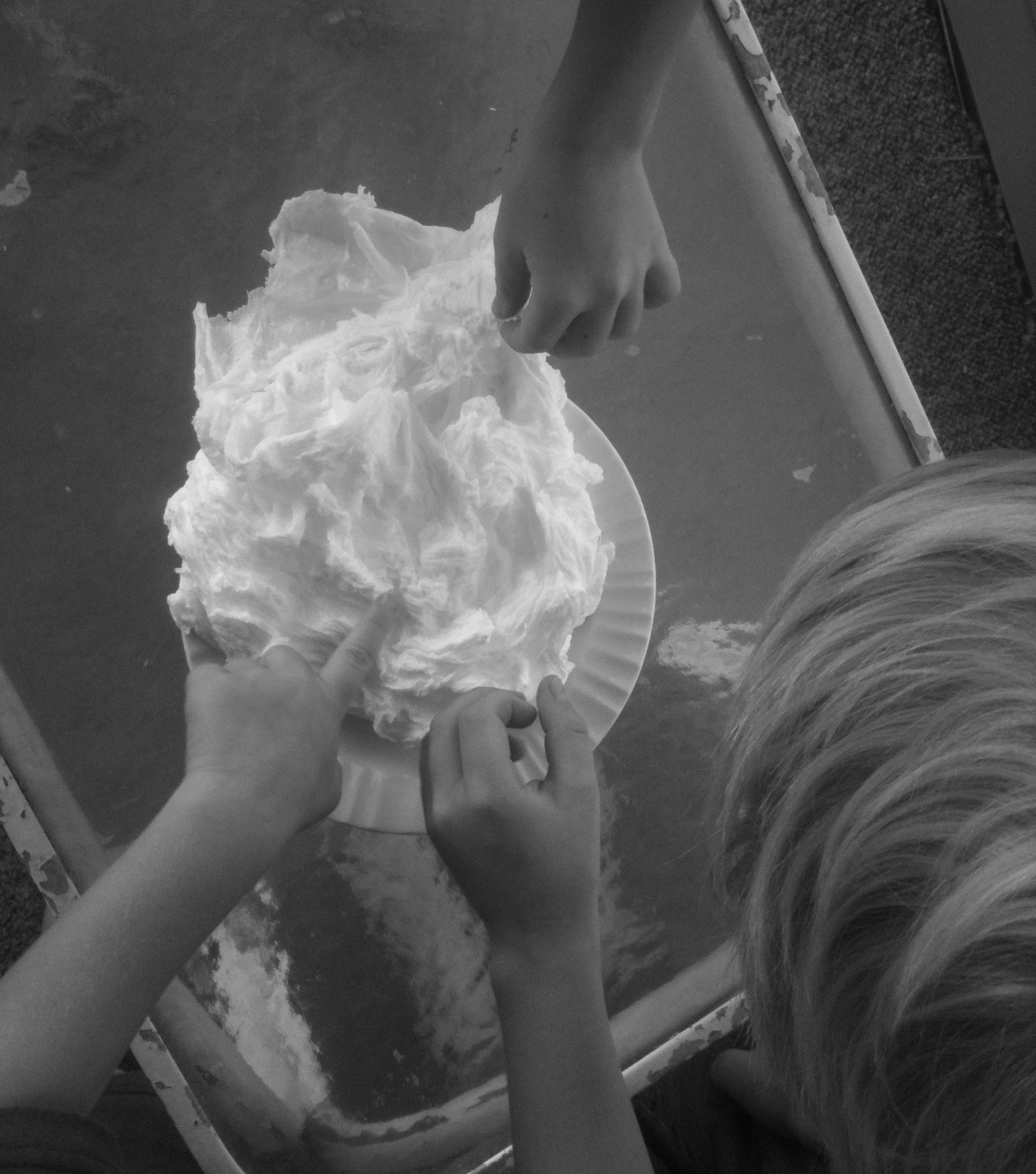
We took the soap out of the microwave and it was all puffed up like a cloud. It was bigger than the plate. It stuck to the sides of the microwave. We played with it and turned it into snow. We made a big mess. But it was soap so Mom said it was a clean mess (Nate, 5 1/2).
IMG_6491

Friday’s Factoid 18 (by Titus and Joel)

images-2
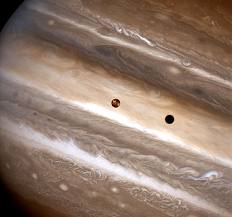
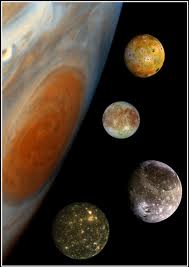
Jupiter is more like a small sun than a big planet. It has a small rocky core but is made mostly of hydrogen and helium and it makes it’s own heat just like the sun. Jupiter has more than 60 moons and some of them are bigger than small planets. We have seen some of them through our telescope. My favorite is Callistso (Titus, 9).

Jupiter's Galilean Moons
Jupiter’s Galilean Moons

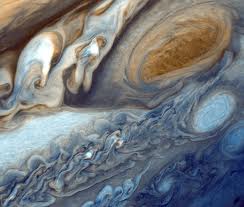
There is a Great Red Spot on Jupiter that is a giant storm. It is twice a big as the whole Earth and has been there over 300 years. All the stripes on Jupiter are made of more storm clouds and these storms make the scariest lightning in the universe. I think. (Joel, 7).
The Great Red Spot
The Great Red Spot