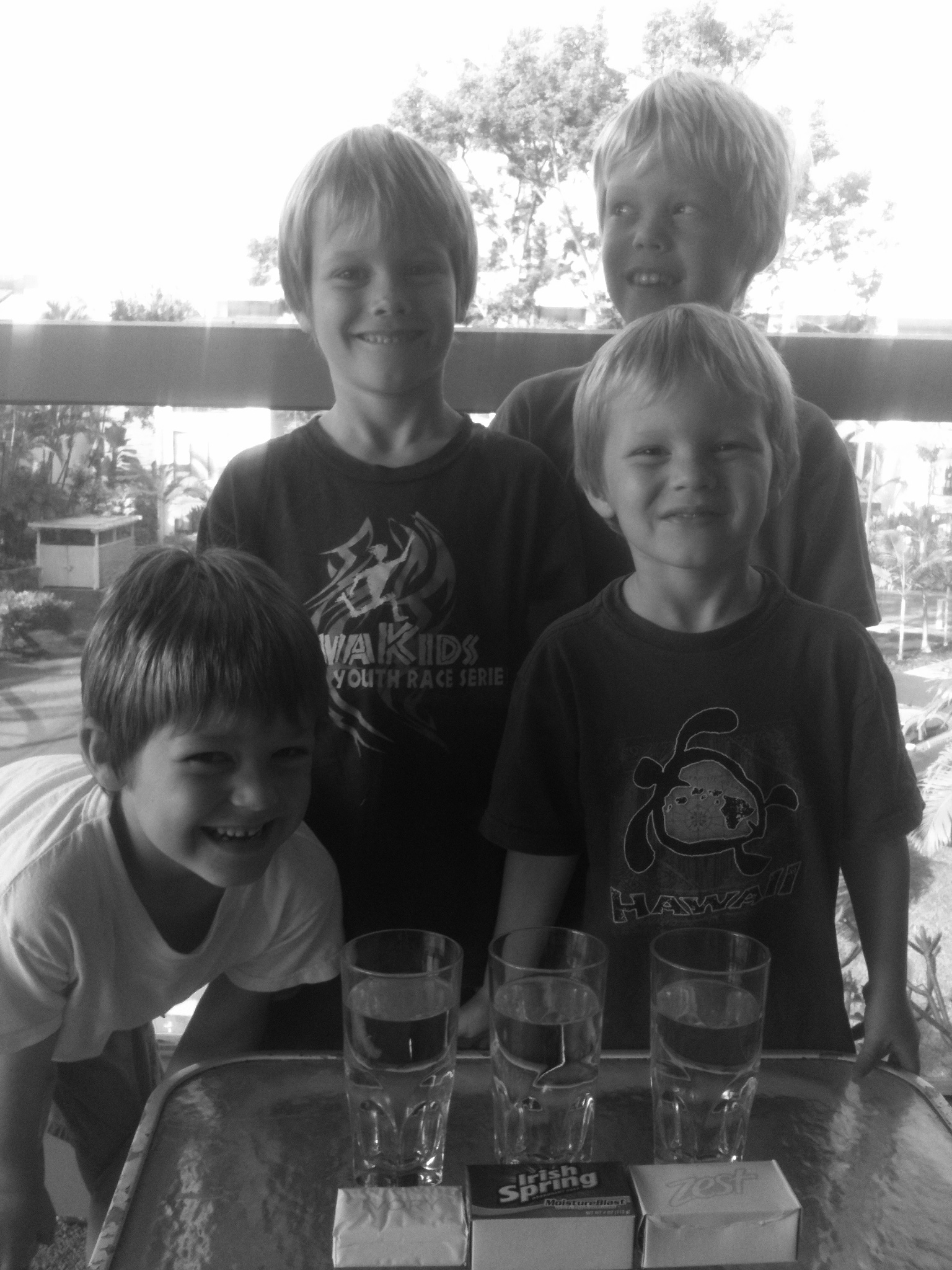
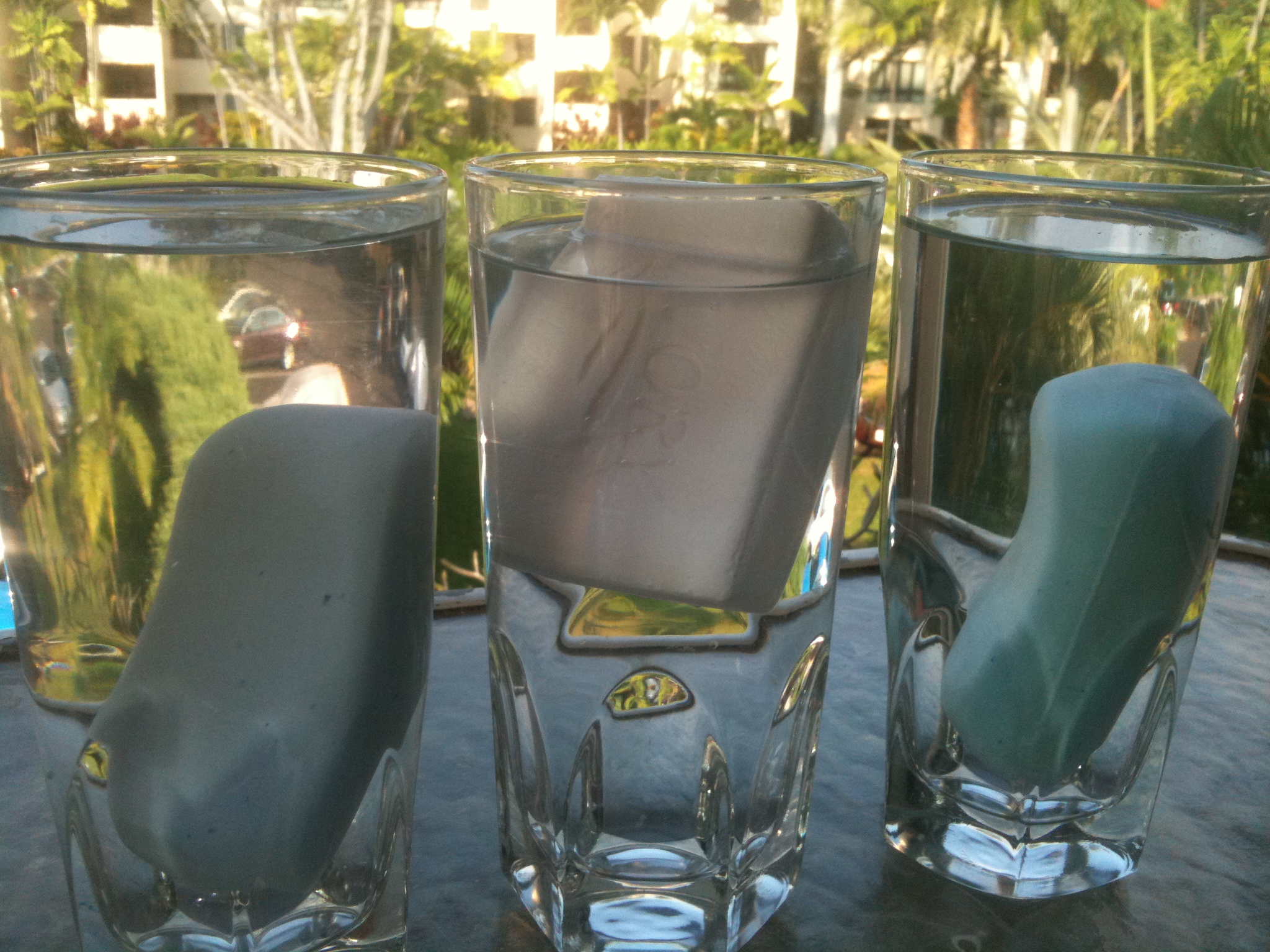
Saturn is the “Ivory Soap Planet” because if you put it in water it would float. We did a science experiment with different kinds of soap to see which ones would float in water. Only Ivory did because it has gas bubbles inside. Saturn is a gaseous planet and is less dense than water so it would float, too (Joel, 7 1/2).
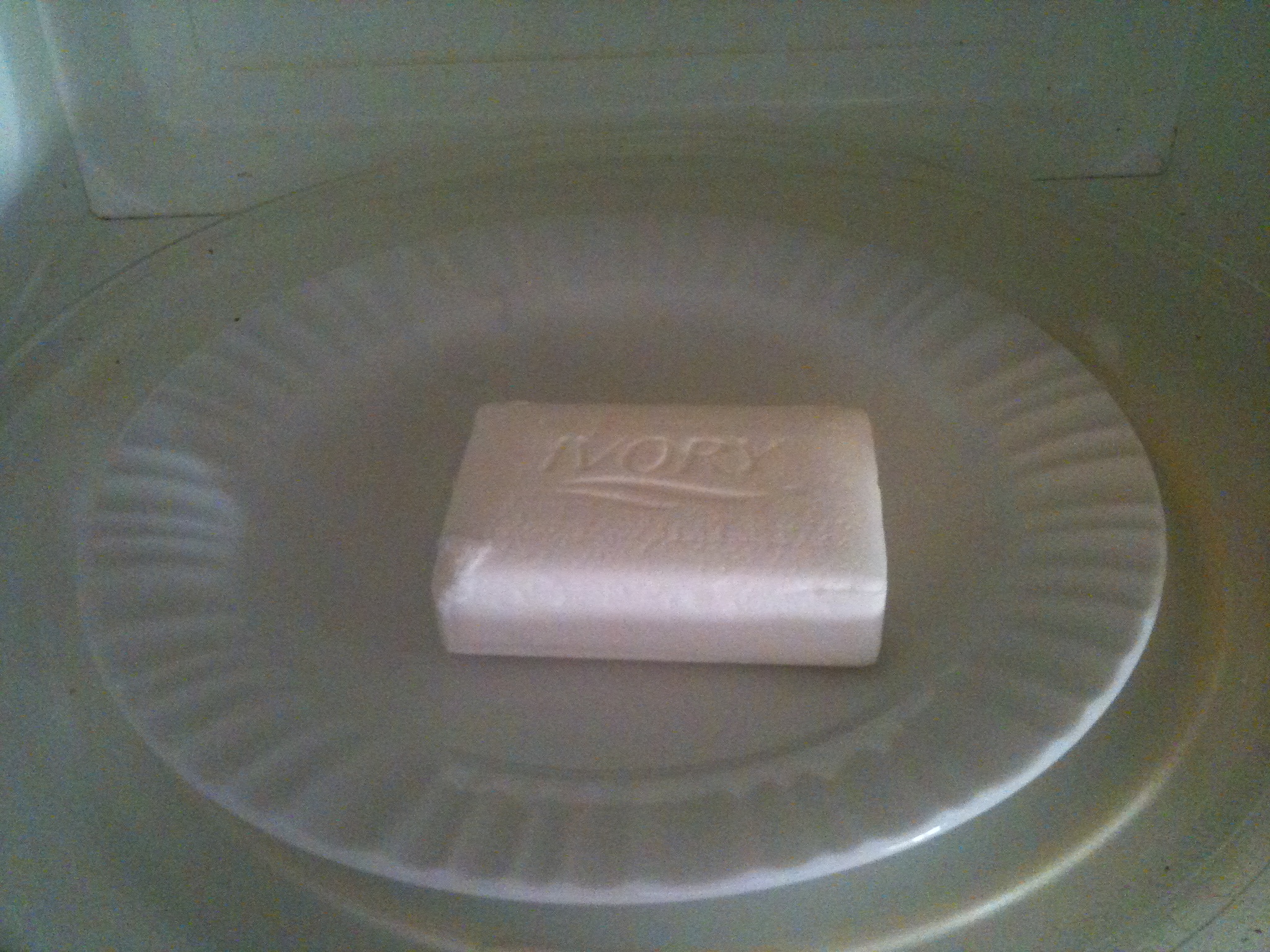
We put another bar of Ivory soap in the microwave to see what would happen. We all made a hypothesis. I thought it might disappear, Joel said it would explode, Nate said it would melt, and Sam said it would get bubbles. Then I remembered that air expands if it gets hot so I changed my guess. Mom said that was okay (Titus, 9).
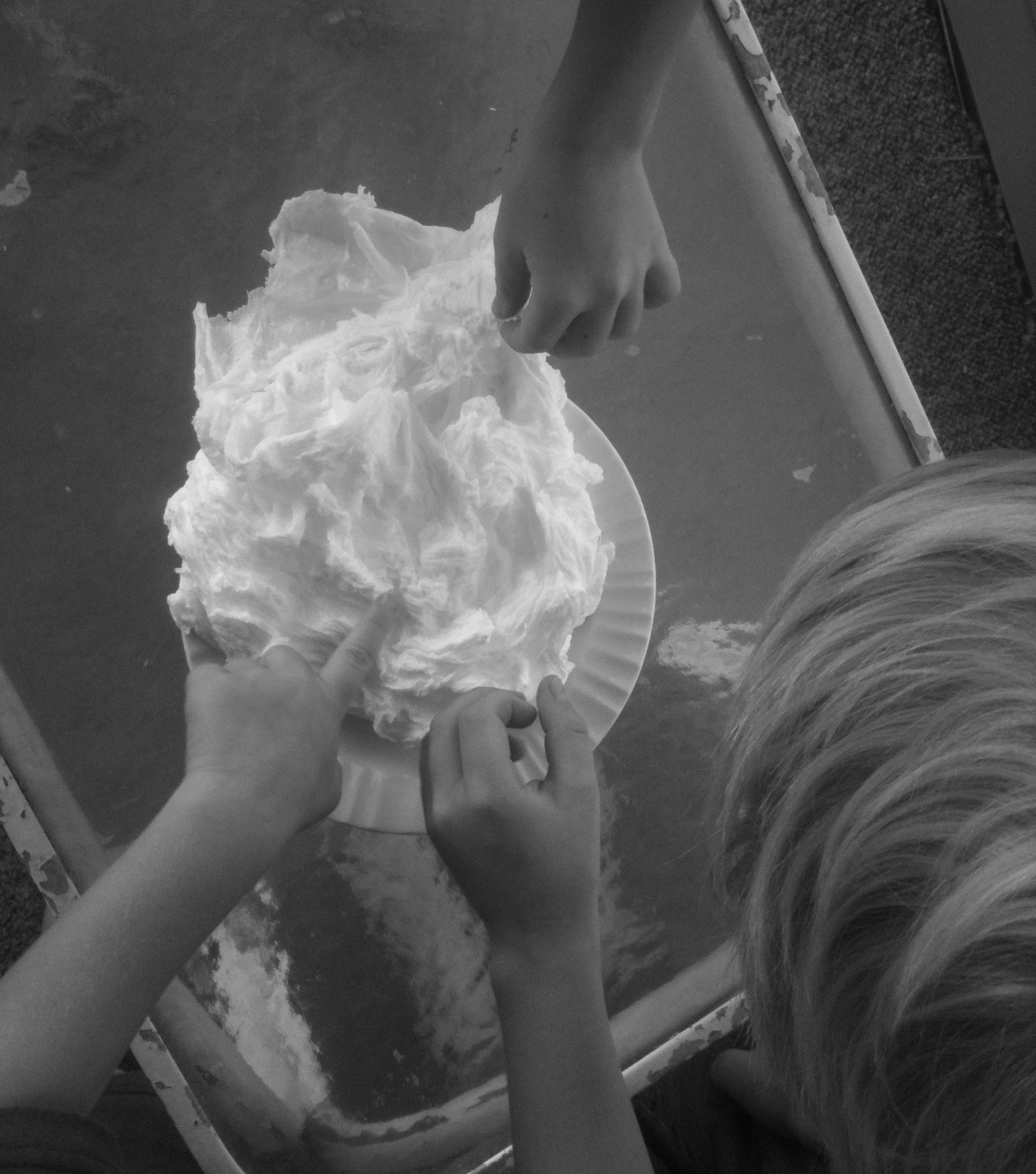
We took the soap out of the microwave and it was all puffed up like a cloud. It was bigger than the plate. It stuck to the sides of the microwave. We played with it and turned it into snow. We made a big mess. But it was soap so Mom said it was a clean mess (Nate, 5 1/2).
Tag: homeschool student blog
Friday’s Factoid 17 (by Titus and Joel)
Last week we learned about space rocks, like comets and asteroids. Jupiter is the 1st planet outside the asteroid belt so it gets hit by lots of space rocks. If Jupiter wasn’t there then the Earth could get hit by lot’s of space rocks instead but Jupiter protects us from them (by Titus, 9).
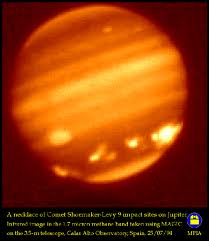
Jupiter is so big that sometimes comets orbit it instead of the sun. Astronomers on Palomar Mountain where we used to live discovered a comet orbiting Jupiter in 1993. The next year the comet broke apart in Jupiter’s atmosphere and crashed into it and made big explosions (by Joel, 7 1/2).
Friday’s Factoid 16 (by Titus and Mom!)
Titus drew such a cool asteroid last week that I asked him to illustrate a rhyme we made up to help us remember the difference between the other different kinds of space rocks we’ve been learning about: Comets, Meteoroids, Meteors, and Meteorites.
Comet: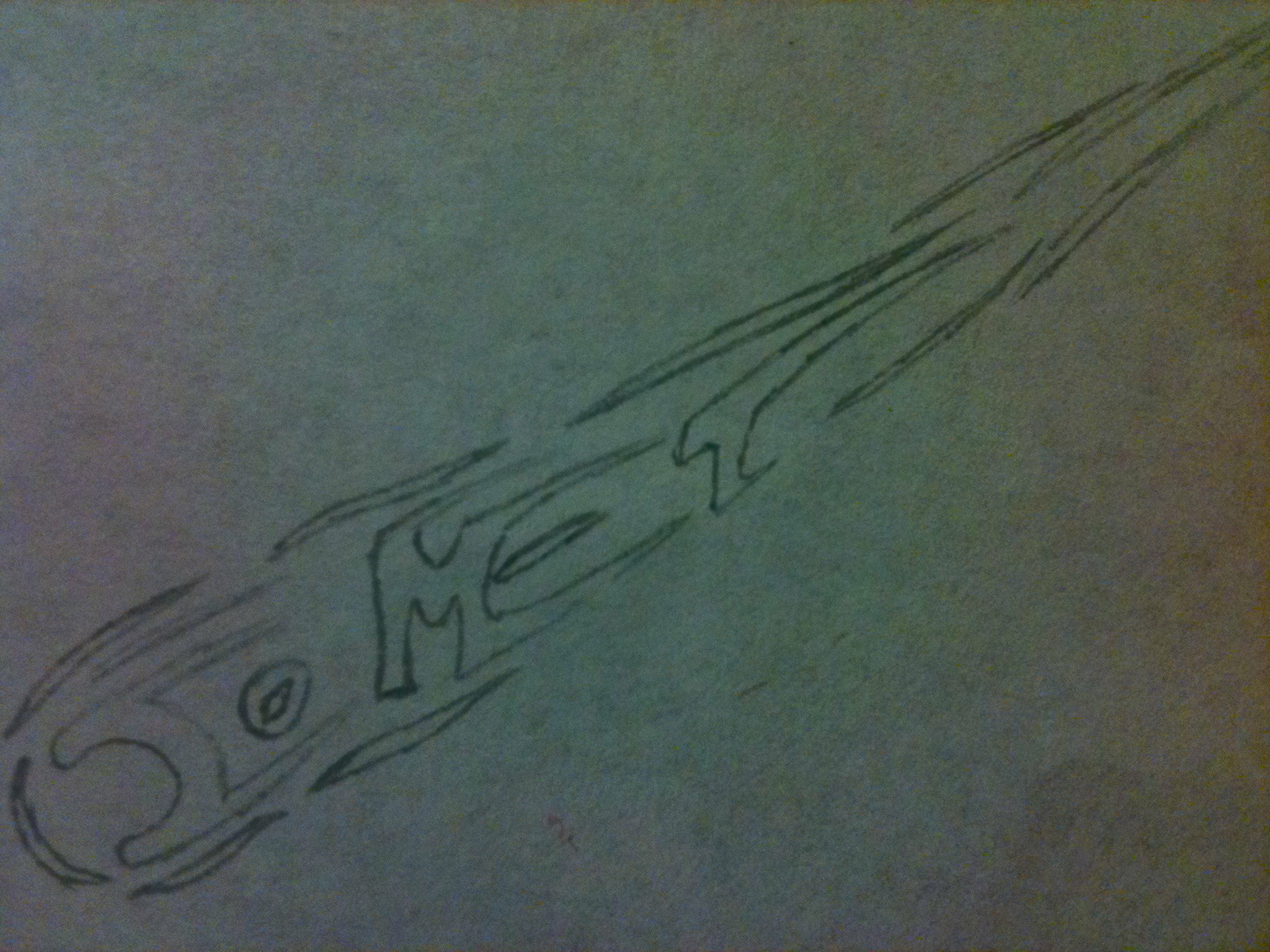
Meteoroid: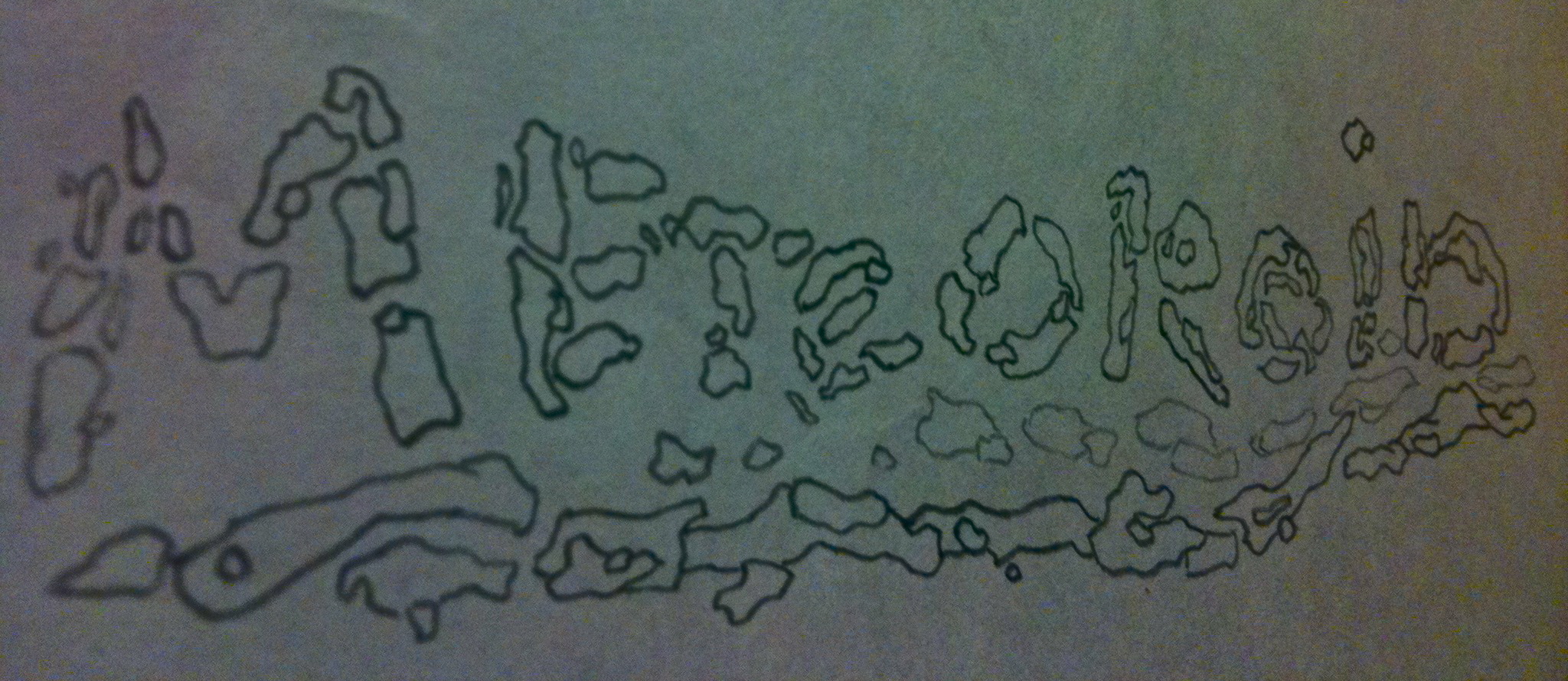
Meteor: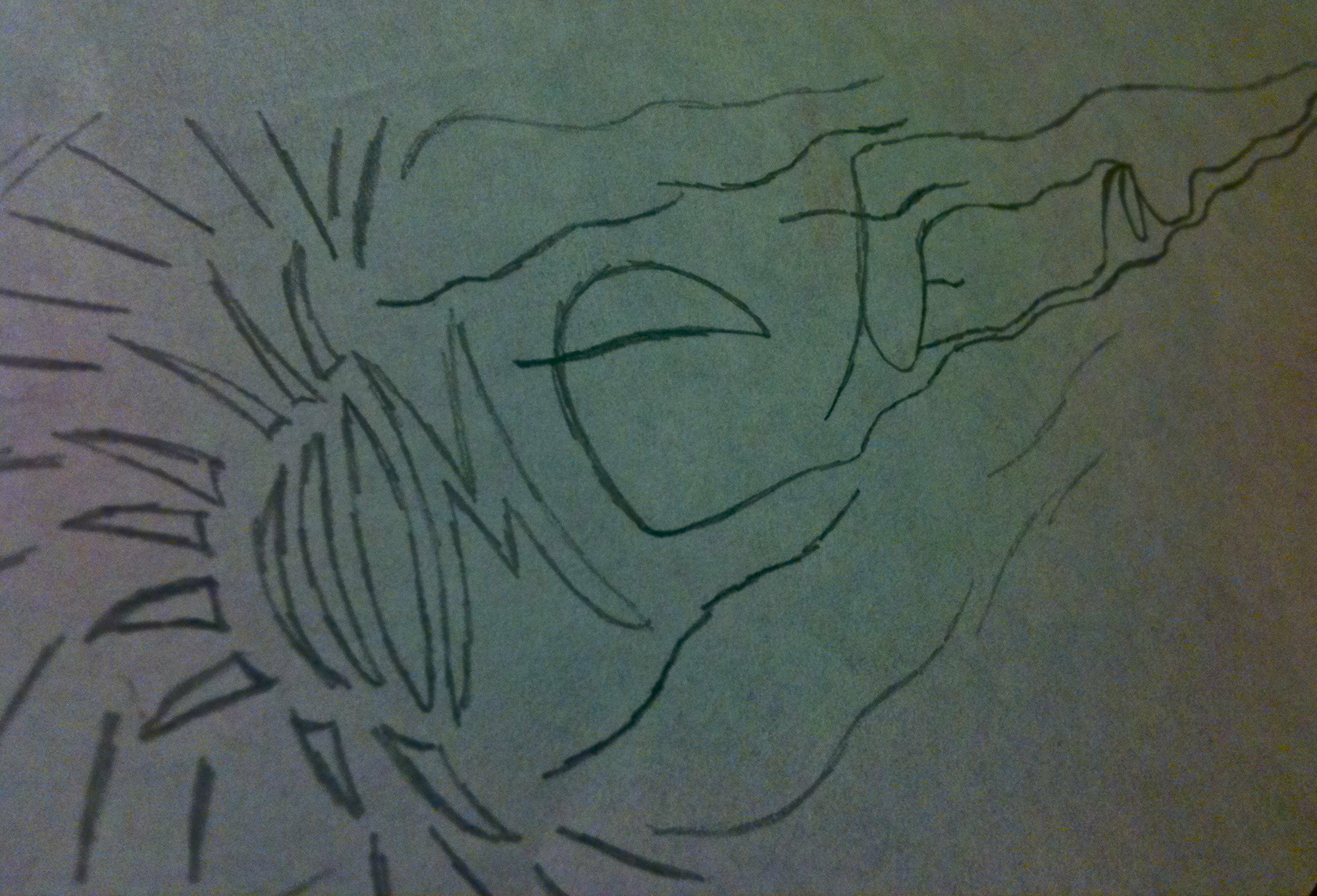
Meteorite: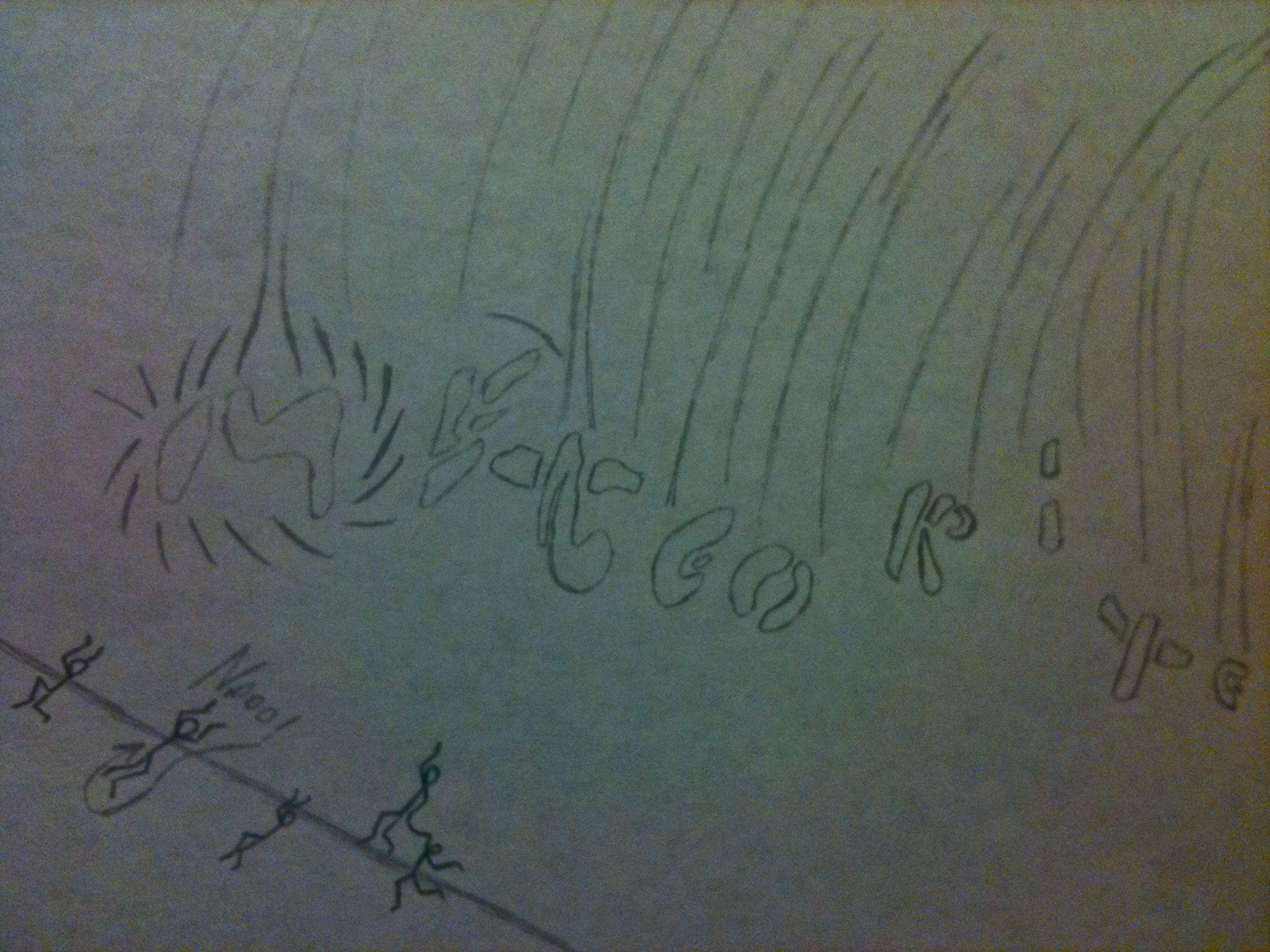
 godmadeknown