When Mom and Dad were little kids like us, Neptune was the 9th planet from the sun instead of the 8th. That is because sometimes it trades places with Pluto for like 20 years and then they switch back (Joel, 7 1/2).
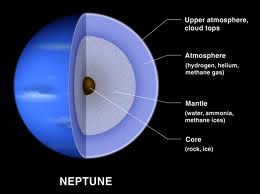
Neptune is a very stormy planet. It has a big storm as big as the whole Earth called the Great Dark Spot with winds going 1200 mph. That spot disappeared for a while but then showed up again in a different place. It rains diamonds on Neptune instead of water because of all the methane there (Titus, 9).

Tag: homeschool student blog
Friday’s Factoid 21(by Titus, Joel and Nathan)
Uranus was discovered in 1781 by Sir William Herschel and his sister. They were homeschooled and they built their own telescopes to find stuff with. Here is a picture of one of their homemade telescopes (Joel, 7 1/2).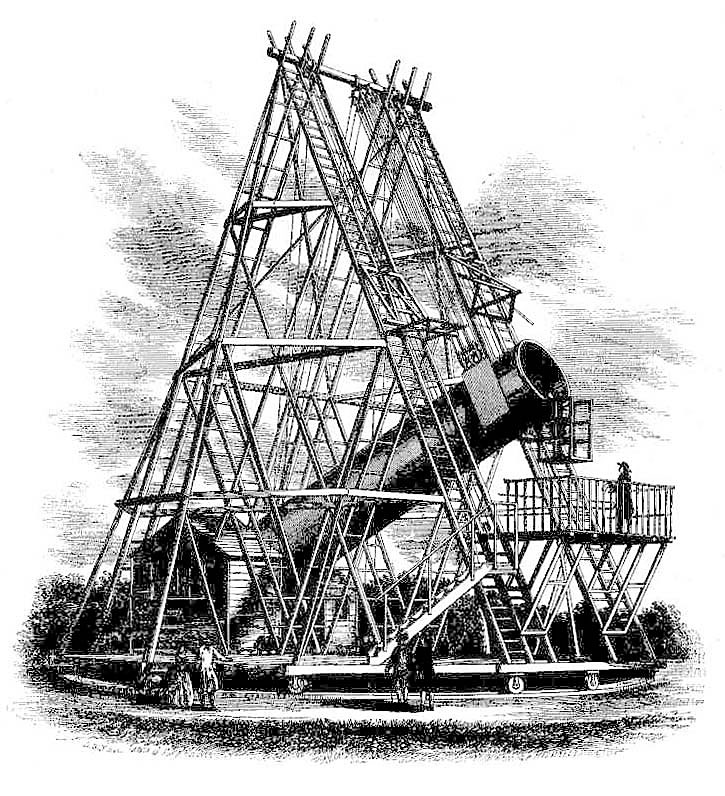
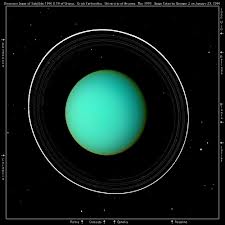
Uranus looks blue because it is made of helium, hydrogen and methane and is very cold all the time. It has 11 rings and 21 moons and 2 shepherd moons hold the rings together (Titus, 9).
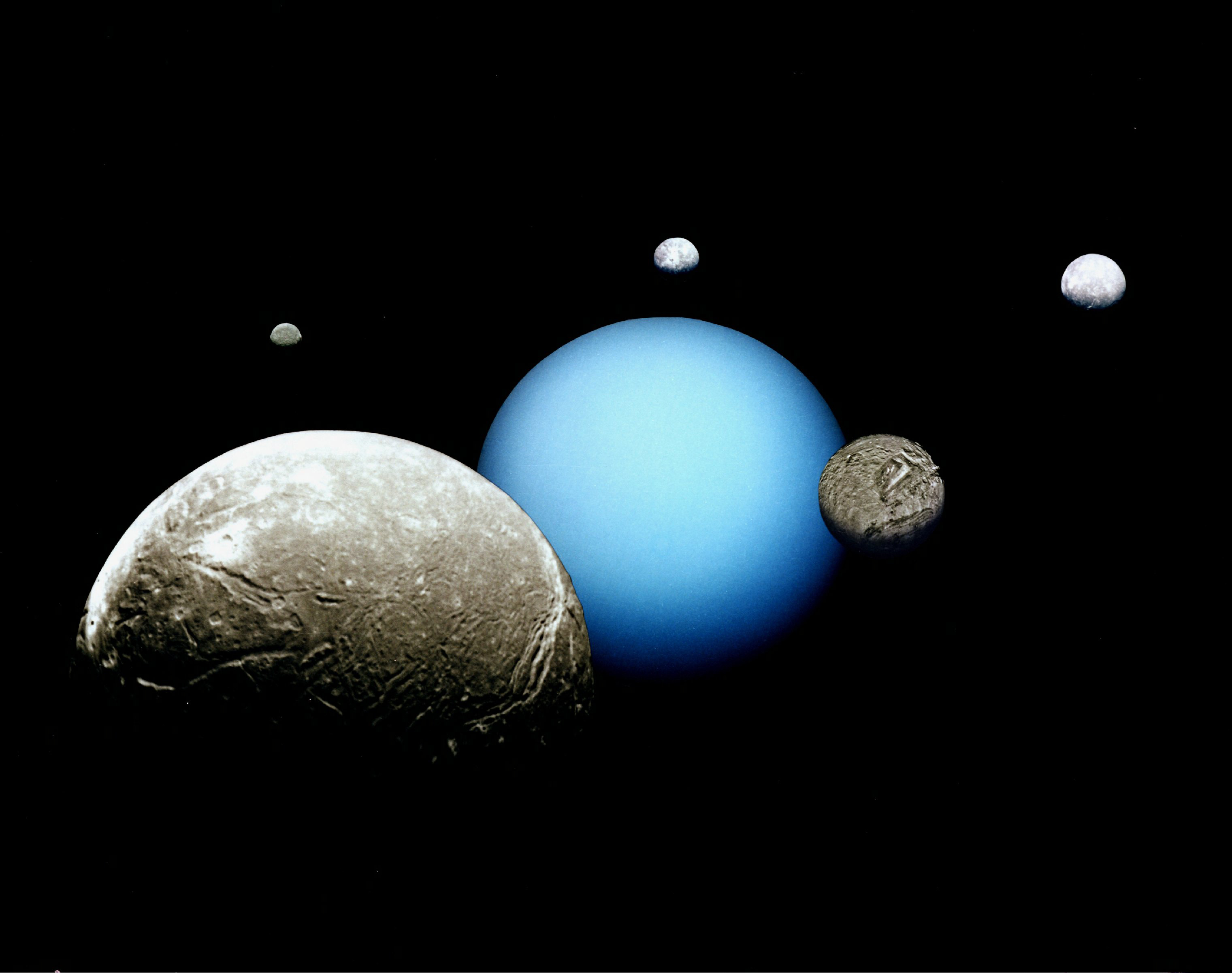
The most neat thing about Uranus is that it is a topsy turvy planet. It does not spin right side up like all the other planets. It rolls around on it’s side and it’s rings are upways instead of sideways and it goes around the sun in the wrong direction too (Nate, almost 6)!
Teacher’s Two-Cents (by Mom)
William Hershel’s son, John continued his father’s and aunt’s work and was convinced like they were that God was in control of the universe. He said, “All human discoveries seem to be made only for the purpose of confirming more and more strongly the truths come from on high and contained in the sacred writings.”
Friday’s Factoid 20 (by Titus and Joel)
The winds on Saturn blow over 1000 miles an hour. That is faster than the speed of sound. Saturn’s winds are so strong because it is spinning so fast. It rotates faster than any other planet except Jupiter and takes only about 10 hours to make a day. But it takes 30 Earth-years for Saturn to orbit the sun (Titus, 9).
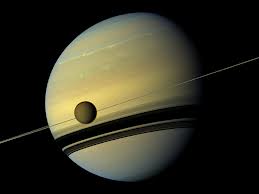
Saturn has over 30 moons. Some of the moons are in Saturn’s rings and they are called the shepherd moons because they help keep the rings in the right place. Saturn has thousands of rings and they are made of ice and rocks and dust and are not very thick (Joel, 7 1/2).
Teacher’s Two-Cents (by Mom)
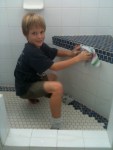
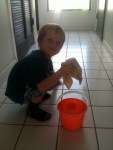
The boys had so much fun experimenting with the “soap that floats” during our study of the gaseous planets that I decided to throw another sudsy experiment their way. This time we put liquid dish soap in the blender with about 10 parts water and gave it a lengthy whirl. The result was a thick, foamy slime just perfect for smearing around. I made enough batches to fill a sand pail full for each of the boys and cut them loose with rags in the kitchen, bathrooms and tile hall ways. To make it easier, I cleared all our counters first and had the boys put socks on their feet for extra skating traction. After about 45 minutes of slippin’, slidin’ and scrubbin’ I gave them all dry towels to go over the surfaces again with. Spring cleaning and science fun in one! The boys had a blast and our kitchen and bathrooms have never been sparklier.
 godmadeknown