Tag: homeschool student blog

Friday’s Factoid 15 (by Titus and Nathan)

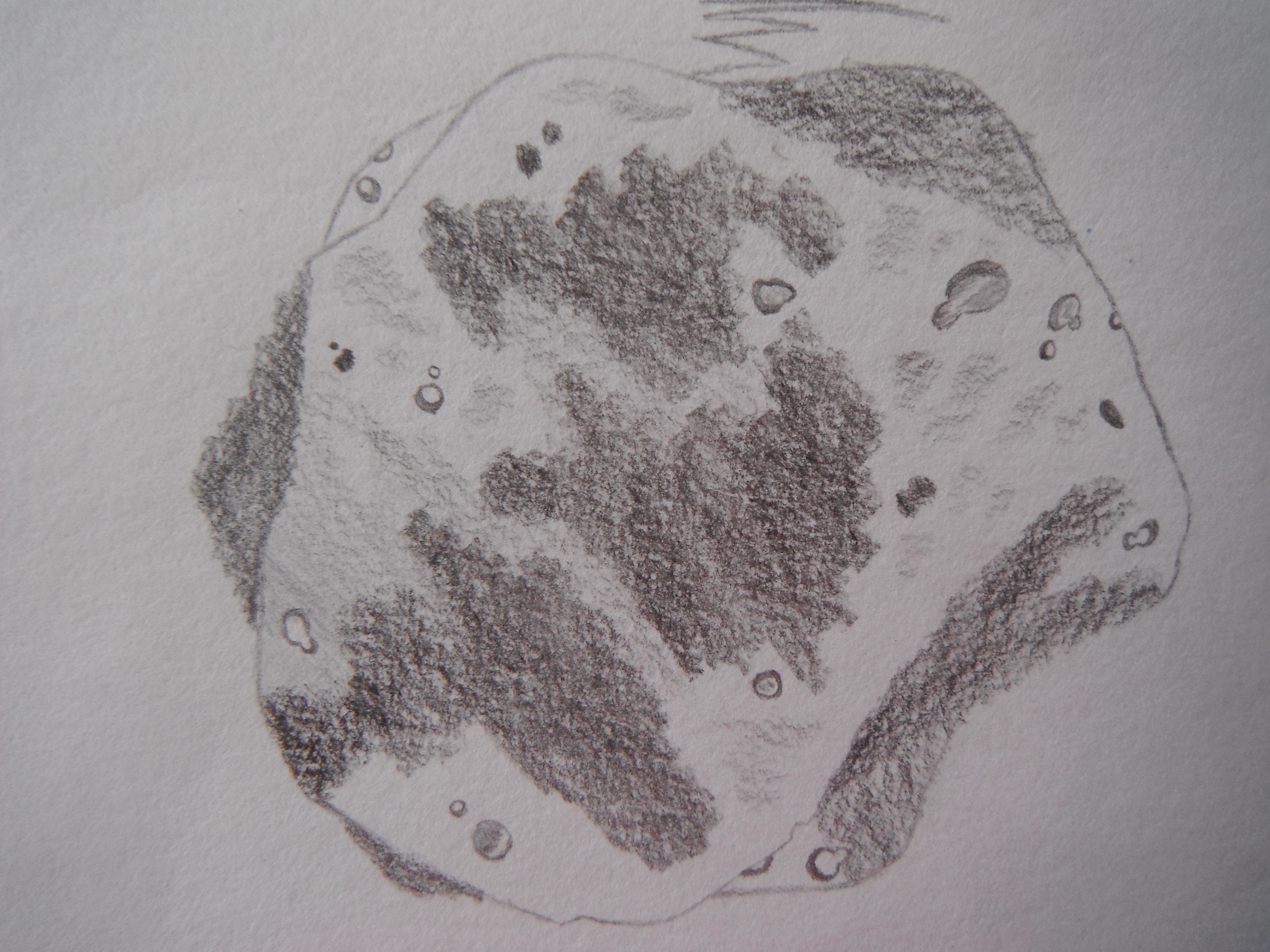
We are learning about space rocks. NASA had a contest to name a big asteroid that some people are afraid will hit the earth in a 170 years. Mom said they should name it Angst because it makes people scared but I thought they should name it Petros which means rock since that is all it is. Here is a picture of my asteroid (Titus, 9).
DSCF6035
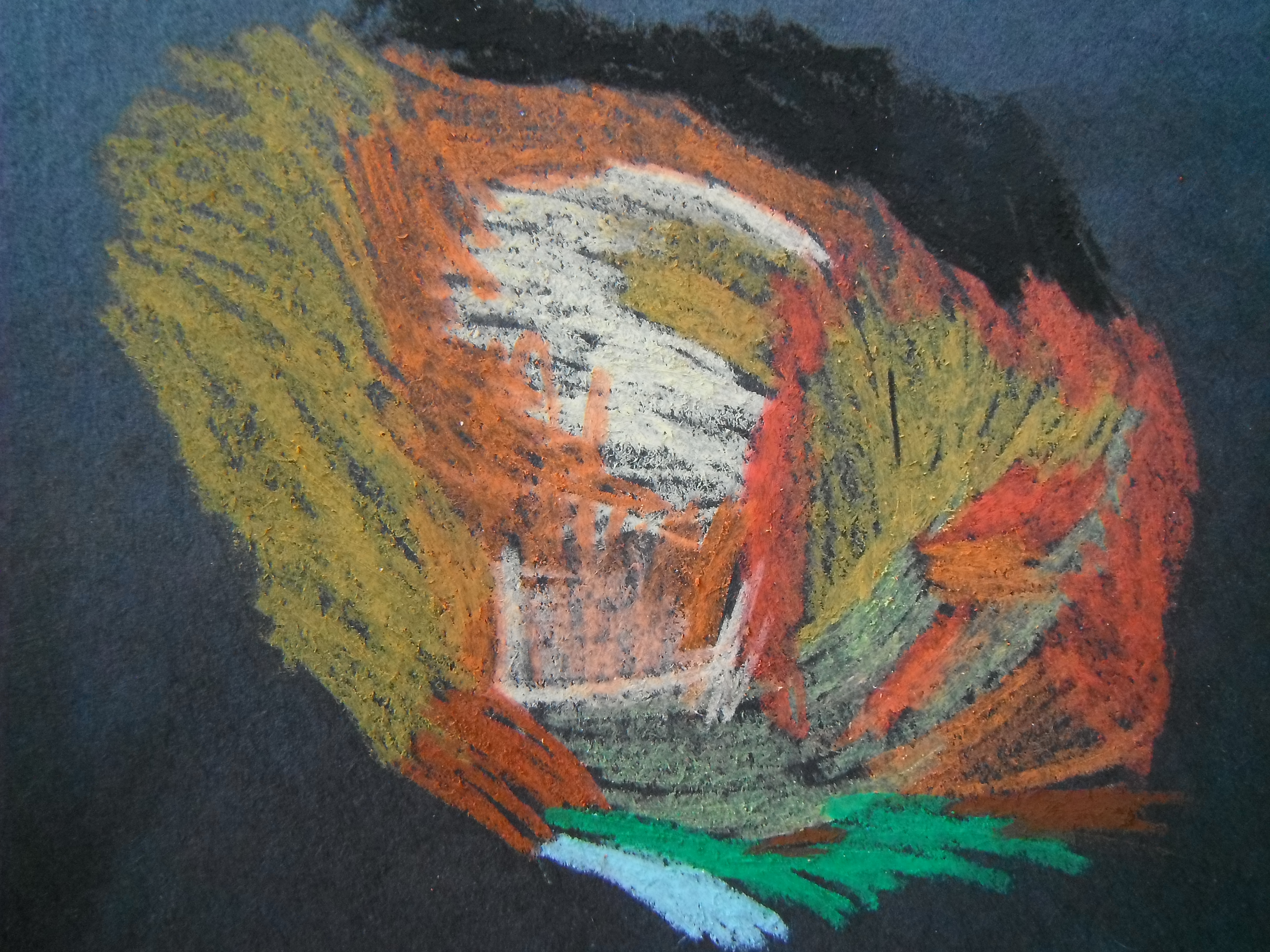
There is a new comet that we might get to see this year. It needs a name too but there isn’t a contest. I think it should be named Pit because when comets hit planets they leave a big pit. This comet will be the brightest comet ever. I drew a picture of it (Nathan, 5).
DSCF6036

Teacher’s Two-Cents (by Mom)
In our study of asteroids this week, we came across a term that I had not heard before: “albedo,” which refers to an object’s surface reflectivity. The particular asteroid we were looking at (the one with no name) reflected only about 3% of the light hitting it as compared to our moon’s albedo of 12%, the Earth’s 37%, or Venus’s 65%. I got to thinking about some of the people in my life who just really seem to reflect Jesus more than others. It’s the same light shining on all of us but what is it that gives some people a more luminous “albedo” than others? What about my own surface needs to be polished in order to reflect more of Christ’s light? “For God, who said, “Let light shine out of darkness,” has shone in our hearts to give light of the knowledge of the glory of God in the face of Jesus Christ.” 2 Corinthians 4:6
Question of the day: What’s your albedo?

Friday’s Factoid 14 (by Titus and Joel)

DSCF5501
We got some Mars Sand and Mars Mud at the Planetarium. The sand was magic because it stayed dry even after being in water for a long time. It was fun to play with but it didn’t really come from Mars and Daddy says you can get the same stuff at the hardware store (Titus, 8).
DSCF5520
Mars Mud does not make sense because there is not enough water on Mars to make mud.
There is maybe only a little frozen water and dry ice. In the winter it is so cold in some places that the air freezes on the ground (Joel, 7). `
DSCF5513
Teacher’s Two-Cents (by Mom)
A few dear souls who are kind enough to follow this blog have shown some interest in our “Living Timeline” and wanted more details. Well they (you know who you are, Shannon:) now have it. Probably in a greater abundance than anyone really wants. But we now have a page devoted specifically to this topic. Just click on “Our Living Timeline” at the top of our home page. And only go there if you are truly interested in this topic because, I warn you, it is rather lengthy.

Friday’s Factoid 11 (by Titus and Joel)

When we go down on our beach sometimes the tide is high and comes way up onto the sand and sometimes it is really low and we can walk out on the rocks and find stuff like Pencil Urchins, Brittle Stars, Hermit Crabs, and Sea Cucumbers. When it’s low tide we can even see Petroglyphs on the flat lava rock. We learned to read a moon and tide calendar so now we know before we go to our beach if it will be a swimming kind of day or an exploring kind of day (Joel, 7).

This slideshow requires JavaScript.


This week we learned about the moon and how it pulls on Earth’s oceans to make the tides. The moon has a lot less gravity than the earth and that’s why the astronauts could jump so high there. If we lived on the moon I could go all the way to the top of our stairs in one jump. If the moon had even less gravity there would not be enough to pull on the Earth’s oceans to make the tides and all the water would get stagnate and everything would die (Titus, 8).

Teacher’s Two-Cents (by Mom)

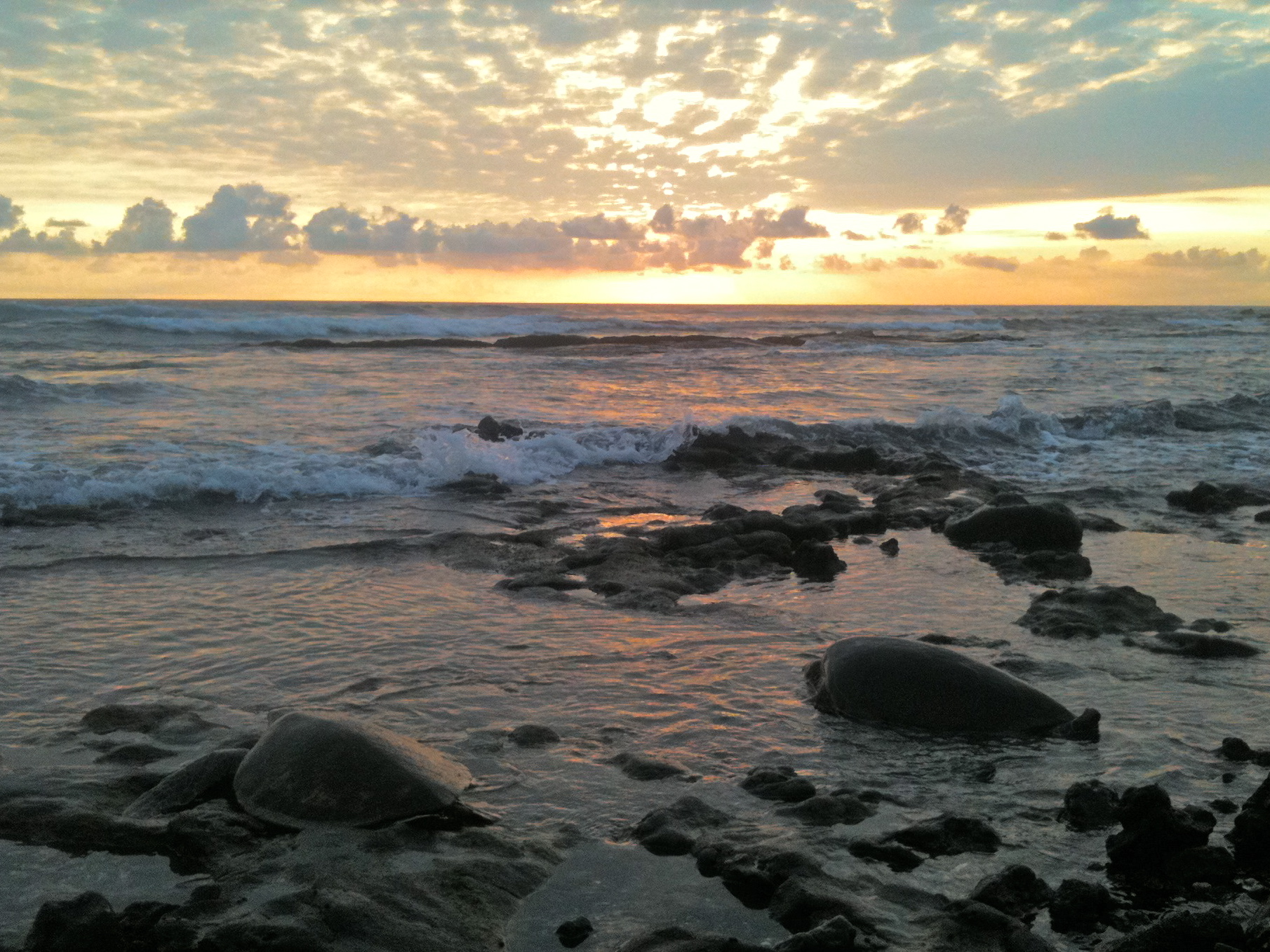
Turtle Pair at High Tide


Thank you, Lord, for turtles and tides,
sand between toes,
sunset and moonrise,
beach treasures by troves,
blue sea and skies,
8 little hands and 8 little eyes,
to grasp and to wonder
at the world that You’ve made,
the bright moon in its splendor
that brings in each wave.