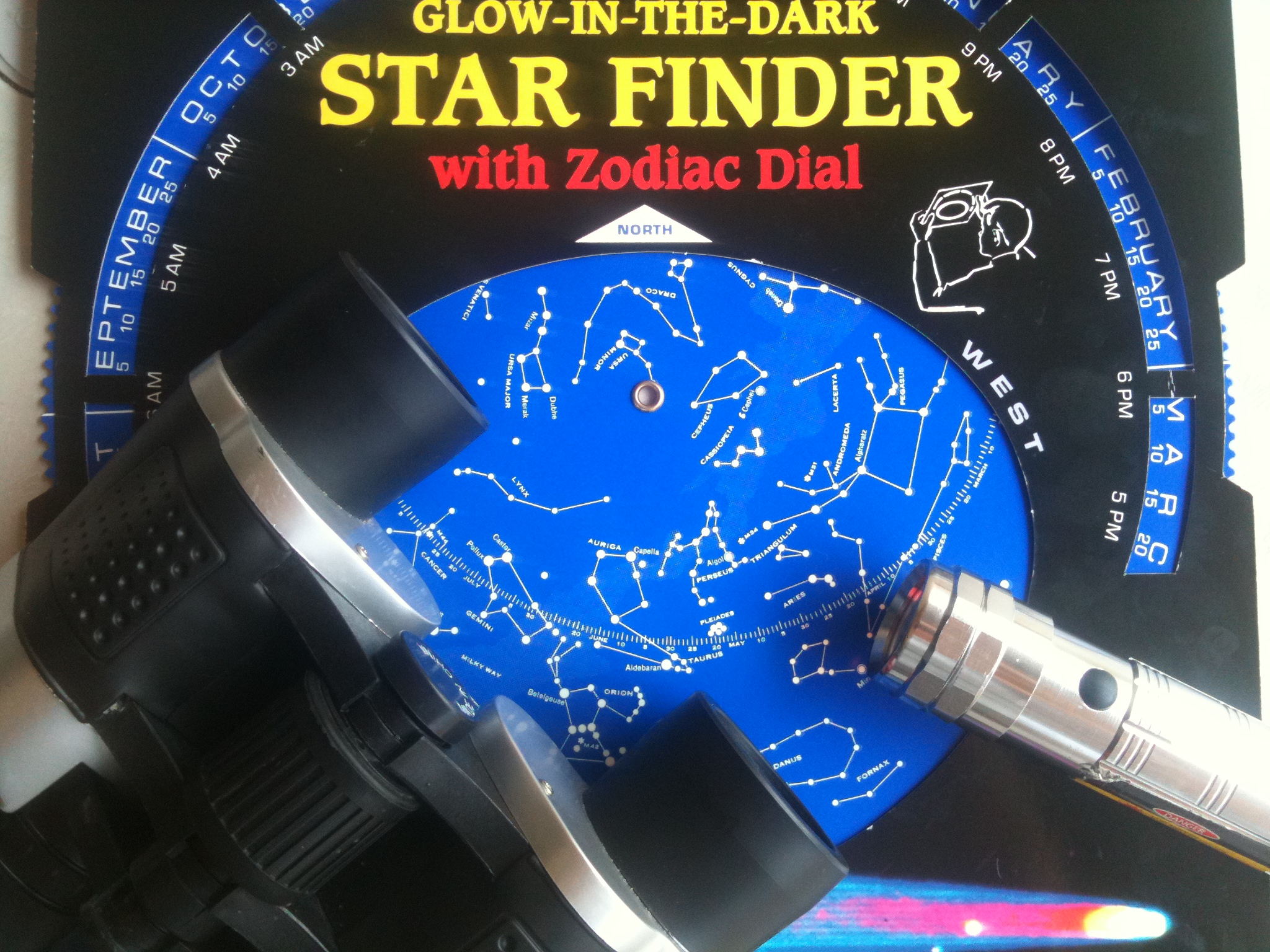
I’ve gotten into the habit of stepping out to look at the stars whenever I wake up at night. To really get away from the lights though, requires a short walk to the ocean bluffs where the night sky opens up over the Pacific and distant boat lights blend into the blackness with all those millions of stars. Sometimes, it’s a great opportunity to have some quiet time alone with the Creator of it all but lately I’ve been bringing along one of the boys. This morning was an exception. They’d all been arguing the night before over whose turn it was to go stargazing with Mom, so when one of them wandered into our room at 4:00 this morning I thought it only fair to see if any of the others wanted to join us outside. So, there I was at 4:15 with 3 little guys instead of 1, heading out to look at the stars. We were able to knock a couple more constellations off our list and we saw 4 shooting stars from the Orionids meteor shower which will be peaking Monday, October 22. Here is a great website that lists the various showers and the best times to watch: meteor-activity-outlook-for-october-13-19-2012
We’ve also been participating this week in the Great World Wide Star Count which ends October 19. This means if you have a clear night tonight or tomorrow, you can get in on the count, too! Here is a link to that site as well:starcount
Yes, there’s tons of neat stuff out there to be learned in the dark hours of the night. And it makes for some precious time shared with the little people in your life. But be warned, late-night star-gazing can make for a VERY WHINY WEDNESDAY when nobody has had enough sleep! So is it worth it? Better ask me after naptime.
Category: Xtra Astronomy Stuff
From the setting of the sun to its rising…
…”the name of the Lord is to be praised!” Psalm 113:3
Okay, I know I got my settings and risings mixed up but that’s because we found extra opportunity this week to praise the name of the Lord during the night. So instead of giving you a sunset (or sunrise) of the week picture, you’re getting a slide show (compliments of NASA) of some images from within Cygnus, the Swan constellation. We’re spending a lot of time looking at Cygnus the next couple weeks because we are participating in the Great World Wide Star Count. This means making a report on the number of stars we can see within the Cygnus constellation on any given night between October 5 and 19. You can participate in the star count too, by clicking on the following link:starcount
Also, congratulations to Titus and Joel who can now identify 8 of these constellations by sight in the night sky! A quarter of the way toward our goal!
Friday’s Factoid 3 (by Titus and Joel)
This week we learned about the sun and other giant stars like Betelgeuse which is twice the size of the Earth’s orbit around the sun. But the biggest star they’ve found is the Big Dog star. Canis Majoris is 7 quadrillion times bigger then earth. Last night Mom woke me up and we went out by the ocean where we could see millions of stars. Jupiter was shining very bright and we saw 4 of the giant stars around it. We saw Betelgeuse, Rigel, Sirius and Aldebaran. This video shows how big some of the stars are. by Titus
All of these stars make noises but we can’t hear them because sound doesn’t travel in space. But God can hear them. You can listen, too, on this video. by Joel
Teacher’s Two-Cents (by Mom)
How cool that our hymn this week mentioned the song of the stars!
“Forever singing as they shine, ‘The hand that made us is divine!”
I’ve added a new page to the top of the site called “Hooray for Hymns.” I’ve requested folks to add their own favorite hymns to the list we started by leaving a comment. Let’s join in the celestial chorus of praise to our Lord!
 godmadeknown